
Blog: Medical innovation creates career opportunities for anesthesia clinicians

By John F. Di Capua, MD, CEO, North American Partners in Anesthesia (NAPA)
We hear about the growing demand for anesthesiologists and certified registered nurse anesthetists (CRNAs) due to contributing factors such as an aging patient population group and clinicians nearing retirement age–both at an all-time high. While these and other reasons are certainly true, I believe the overarching factor fueling this demand is the growth in remarkable medical innovations that we see in the healthcare industry.
Thirty years ago, when I started my practice in anesthesia, we would work only on scheduled or emergency cases in the operating room (OR) and rarely go to the emergency room or critical care unit. Today, thanks to transformative innovations, the demand for OR and non-operating room anesthesia (NORA) is creating unprecedented career opportunities for anesthesia clinicians.
Consider the case of a 92-year-old person who recently had a life-saving interventional cardiology procedure in a hospital’s specialized, purpose-built suite. Not too long ago, this man would likely not have been deemed healthy enough to have invasive cardiac surgery. But with the rise of minimally invasive interventionalist techniques—in cardiac care, neurology, radiology, electrophysiology and more—this patient and others like him are now eligible for procedures that extend and improve the quality of life. These procedures all require experienced clinicians to deliver anesthesia services.
Medical innovations that help patients better manage disease, acute problems and chronic conditions are expanding the pool of patients who pass presurgical screenings. At the same time, increasing interventionalist techniques make more procedures possible. To be competitive in their marketplaces, hospitals are investing millions of dollars in interventionalist and out-of-OR suites, thereby creating new spaces that need anesthesia staffing in addition to their ORs. Adding further staffing pressure is the movement to perform more endoscopies, colonoscopies, cosmetic surgeries, joint and other procedures in ambulatory surgery centers (ASCs) and physician offices, which also need anesthesia services to keep patients comfortable.
More patients receiving care in ORs plus an escalating number of ASCs has made it difficult for healthcare providers to keep up with the demand for anesthesia clinicians. While the number of cases that require anesthesia services has doubled, the number of trainees entering the workforce is not keeping up with demand. A recent study projected that the shortage of clinicians in the U.S. will compound in coming years, as hospitals spend money to keep up with innovation and offer their patients the highest quality care. Aggressive hospital consolidation in the healthcare industry rarely mitigates the problem, as we often see multiple hospitals within the same system investing in the same innovative facilities. A regionalized approach to care delivery, in which hospitals in the same market offer complementary instead of duplicative specialized services, could help in relieving the staffing pressure, but regionalized specialization in care delivery seems far off in the U.S.
The supply and demand problem is creating a shortage of anesthesia clinicians, who are desperately needed by hospitals. In some instances this will lead to hospitals suffering financial pressures that may necessitate OR closings, which can negatively impact communities. Personally, I care deeply about this issue because my entire career in anesthesiology, and the company that I’ve helped build as CEO, is dedicated to improving the patient experience.
In an environment where anesthesia clinicians are in short supply, we first need to communicate to more students the many benefits of working in anesthesia. And as they graduate or move within the industry, the only way to attract the right talent and be the destination of choice for anesthesia is to be the best-in-class for our anesthesia clinicians. NAPA continuously works to be the best-in-class by staying ahead of the game, anticipating changes in the anesthesia labor market, listening to our clinicians, and creating programs and initiatives that serve our clinicians’ professional and personal needs.
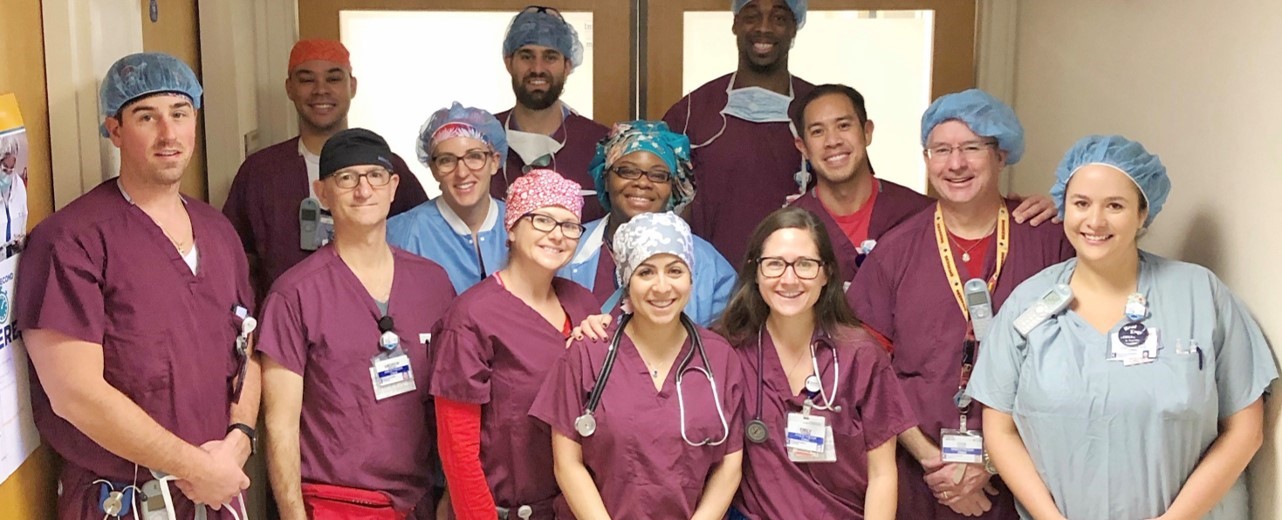
Career-focused clinicians are finding a market in which the field of anesthesia is gaining new traction in the perioperative world, as the patient experience becomes a key metric in healthcare profitability. Clinical expertise and innovation, quality improvement, and patient communication: For people who wish to make an impact on individuals and the industry, anesthesia has it all. That makes this a great time to consider a career—not just a job—but a career in anesthesia.
Today, thanks to transformative innovations, the demand for OR and non-operating room anesthesia (NORA) is creating unprecedented career opportunities for anesthesia clinicians. Share on X