Raising the Bar: How NAPA Redefines Quality in Anesthesia
By Leo Penzi, MD, EVP & Chief Medical Officer, NAPA

Today’s complex healthcare landscape requires more than just individual expertise in delivering high-quality anesthesia care—it demands a systemwide commitment to continuous improvement. NAPA has invested significant resources and capital to build and maintain a quality and patient safety infrastructure, under the stewardship of the internal Quality department. The establishment and maintenance of NAPA’s affiliated Patient Safety Organization (PSO), NAPA’s creation and continued involvement in a Qualified Clinical Data Registry (QCDR), and robust technological support produce a secure environment where we can collect, aggregate, and analyze data.

The NAPA Anesthesia Patient Safety Institute (NAPSI)—NAPA’s PSO—is what makes deeper analysis and learning possible by identifying and reducing the risks and hazards associated with patient care and improving the quality of surgical services. Certified by the Agency for Healthcare Research and Quality (AHRQ), NAPSI fosters a safety-focused culture where clinicians feel empowered to report concerns and share clinical experiences. This openness helps us identify issues earlier, share insights across state lines, and develop proactive safety measures that enable our local anesthesia teams to deliver the highest standard of care to every patient.
From this solid foundation, five key factors enable our organization to advance and support quality performance at the local level.
1. Harnessing a National Network
A significant advantage of our scale is the ability to identify improvement opportunities across a national network of clinicians in various clinical environments with diverse patient populations. Some clinicians may not have encountered a specific clinical scenario, but shared learning allows them to be prepared and to learn from the experiences of their peers. Through our quality initiatives, we facilitate bridging insights from one local team to nearly 400 other teams—transitioning quality improvement from a siloed reactive response into a proactive strategy.
By aggregating data from nearly 2 million anesthetics administered annually, our PSO provides a federally protected space that allows us to analyze trends, examine challenging clinical scenarios, and broadly share evidence-based best practices. This data-driven approach accelerates more informed decision-making by our front-line clinicians and creates a sense of community that keeps NAPA clinicians ahead of the curve.
2. Elevating Local Quality Programs
At NAPA, we do not just overlay a standard quality program onto a local hospital or surgery center—we enhance and support their existing efforts. Every facility where we partner and provide anesthesia care has different levels of infrastructure, resources, and surgeon relationships. Our efforts are tailored to match specific needs and augment local quality infrastructure. Leadership development and training are vital components of our platform, and NAPA excels in this area. NAPA’s leadership training programs enhance the skills of our clinical chiefs—turning highly trained clinical experts into globally effective leaders.
These leaders guide front-line anesthesia teams in creating a culture of clinical improvement and patient safety. Involved anesthesia chiefs and experienced quality leaders within the anesthesia team become ingrained members of local facilities, chairing and actively participating in committees and meetings that enhance patient outcomes and facility operations. Skilled chiefs also build a strong culture of safety and nurturing environments in which clinicians think critically about patient safety and take ownership of continuous quality improvement.
3. Redefining the Patient Experience Patient experience goes beyond clinical outcomes—it includes how patients perceive their care and interactions with their medical professionals. Was the patient treated as a whole person from the first interaction? Did the patient feel safe, supported, and heard throughout the procedure? Did the patient have any negative interactions or outcomes related to the anesthetic or the providers?
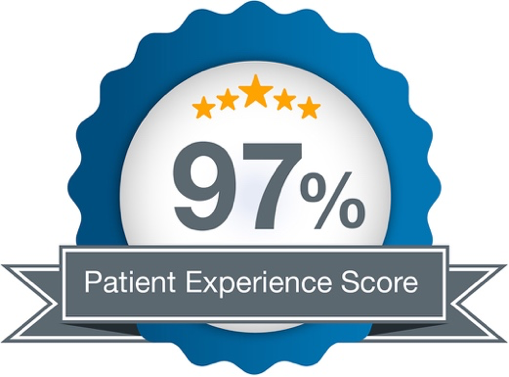
NAPA clinicians perform roughly 2 million anesthesia cases each year and almost every patient receives a post-anesthesia survey. Approximately one quarter of those patients take the time to respond. Of those surveyed patients, 97% score their overall NAPA anesthesia experience as a 4- or 5-star rating. Based on CMS national benchmarking data for 2023 and 2024, NAPA’s clinicians far exceed the national average and provide top-tier patient experience.
One way we accomplish an enhanced experience is by making complex medical insights more accessible to our busy teams. New research and consensus statements can be dense and time-consuming to digest. Our Quality team of anesthesiologists, nurses, and support staff continuously distill medical knowledge into actionable takeaways for our clinicians. This enables our patient-facing teams to stay abreast of the latest information in medicine while remaining focused on patient care. Additionally, our anesthesia experience program helps clinicians understand how their communication and bedside manner impact the overall patient experience, leading to stronger patient-provider relationships and improved outcomes.
4. Equipping Local Teams for Success
NAPA’s commitment to quality includes equipping clinicians with the resources and culture they need to thrive. We provide tools, educational training, and quality data that local teams can use to optimize bedside practice. For example, our PSO quality assessment tools can help an anesthesia chief evaluate programs at their local facility and identify opportunities for improvement. Additionally, we respond to clinician needs in real time—whether it is creating educational materials for patients or developing leadership training for chiefs. Continuous communication with our frontline teams allows us to regularly modify our approach to meet the needs of our clinicians, patients, and facilities, while providing meaningful assistance to our team leaders.
5. Strengthening Risk Management Practices
Comprehensive risk management is essential for both clinicians and healthcare organizations. With widespread use of electronic medical records, essential clinical details can sometimes be lost in automation. To address this, we provide education on effective documentation practices to help our clinicians more accurately and thoroughly capture the rationale behind their clinical decisions. Additionally, our relationship with our medical malpractice carrier allows us to co-develop risk management education that benefits all stakeholders, not just those within our organization.
At NAPA, our commitment to quality is more than a set of initiatives—it is a deeply ingrained part of our culture. Through innovation, collaboration, and an unwavering dedication to patient safety, NAPA continues to lead the way in redefining what quality means in anesthesia care.