
Unmanned Aerial Vehicle Transport of Blood Products in Mass Casualty Incidents
Brent Lee, MD, MPH, FASA, Director of Clinical Excellence and Performance Improvement, North American Partners in Anesthesia
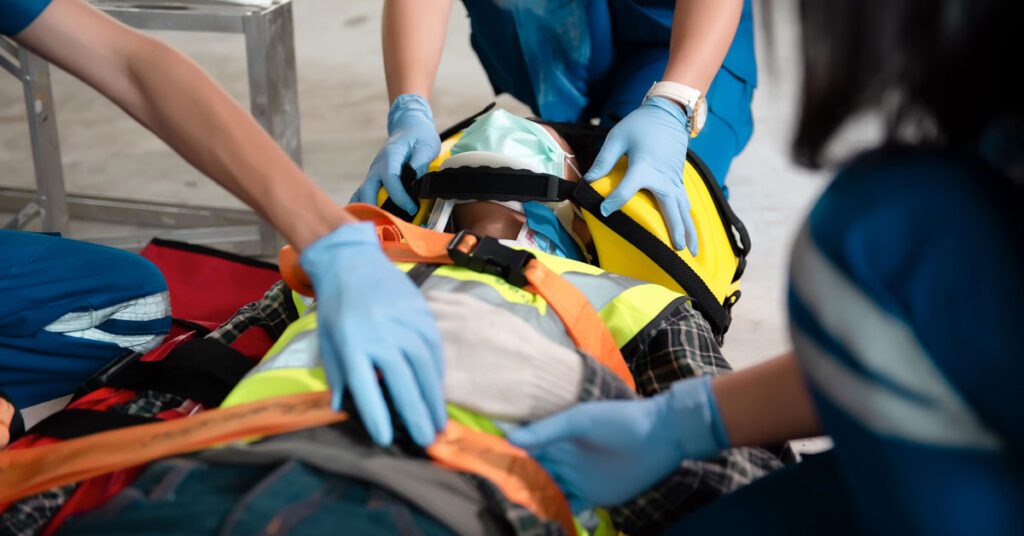
Mass casualty incidents (MCIs) are becoming more complex following an increase in natural disasters and intentional acts of violence. These events often result in severe injuries that require immediate emergency trauma care, including damage control surgery and resuscitation to prevent hemorrhagic shock and other life-threatening conditions.
Dr. Brent Lee, MD, MPH, FASA, Director of Clinical Excellence and Performance Improvement at North American Partners in Anesthesia, highlights the importance of rapid response in MCIs. He notes that while damage control surgery focuses on controlling bleeding and preventing infection, resuscitation has evolved to prioritize the early administration of balanced blood components to combat the deadly triad of hypothermia, coagulopathy, and metabolic acidosis.
However, delivering sufficient blood supplies during MCIs can be challenging, especially at overwhelmed hospitals. Dr. Lee advocates for the use of unmanned aerial vehicles (UAVs) as a potential solution for swiftly transporting blood products from regional centers to hospitals or directly to the field. While UAV technology holds promise, Dr. Lee emphasizes the need for collaboration between healthcare professionals, engineers, and policymakers to overcome logistical and regulatory hurdles and make UAV blood delivery a standard part of MCI response.
Read more in Dr. Lee’s article featured in The Doctor’s Advocate:
https://www.thedoctors.com/the-doctors-advocate/third-quarter-2024/unmanned-aerial-vehicle-transport-of-blood-products-in-mass-casualty-incidents/